
Your Building Is Breathing.
The Question Is How Well.
This is not a fringe wellness topic anymore. IAQ data is becoming a lease negotiation tool, a tenant retention lever, and a WELL certification asset — and in the PNW, wildfire smoke season just made it urgent in a way it never was before. Let’s walk through what actually matters and what Hoover can do about it.
Right now, your building’s HVAC system is making decisions about air quality with or without you. Dampers opening and closing. Filters loading up. Economizers pulling in outdoor air — which in Western Washington, from August through October, may be carrying PM2.5 from wildfire smoke at levels your tenants can feel before your building can measure.
CO₂ is climbing in your conference rooms every time a meeting runs long. VOCs are off-gassing from the recently renovated suite on the third floor. And 74% of office employees say they feel more comfortable returning to the office when air quality information is available to them.
Commercial IAQ monitoring connects sensors to data, data to your HVAC maintenance program, and that program to something your leasing team can actually use. Hoover Commercial Refrigeration & Mechanical, Mount Vernon, Washington, provides IAQ assessments and monitoring support for commercial, institutional, and healthcare facilities across Western Washington.
IAQ assessments evaluate current conditions and equipment performance. Certification filing, WELL documentation, and legal determinations require the appropriate specialist. Hoover coordinates alongside them.
Why Is Commercial IAQ Monitoring a Priority Right Now?
Why is commercial IAQ monitoring a priority right now?
Three forces converged at once: post-COVID tenant sensitivity to air quality, the proliferation of affordable IoT monitoring sensors, and PNW wildfire smoke seasons that converted abstract air quality risk into an annual operational reality. Property managers who have documented IAQ data now have a lease differentiation tool that most buildings in Western Washington cannot yet match.
Before 2020, indoor air quality was a building certification topic — something Fortune 500 tenants cared about in their RFPs but rarely verified. That has changed, especially in our PNW commercial spaces.
Post-COVID, tenants’ HR departments are asking about ventilation rates before signing.
Wildfire smoke is no longer a Pacific Northwest anomaly — it’s a planning variable, an insurance question, and increasingly a lease question. And the cost of the sensors that can actually measure these conditions has dropped enough that monitoring is now a realistic operational investment, not a capital project.
The property managers who are ahead of this are not waiting for tenants to ask. They are building the record now, so that when the question comes — at tour, at negotiation, at renewal — the answer is already documented.
The building that can show clean air data during a smoke event has a story most buildings in Puget Sound cannot tell yet.
What Does Commercial IAQ Monitoring Actually Measure?
What does commercial IAQ monitoring measure?
The three metrics that drive commercial IAQ decisions are CO₂ (carbon dioxide — your ventilation proxy), VOCs (volatile organic compounds — chemical off-gassing from building materials and furnishings), and PM2.5 (fine particulate matter — the wildfire smoke metric for PNW buildings). Each has a documented threshold above which cognitive performance, tenant comfort, or occupant health is affected.
Think of these three as your building’s vital signs. One tells you about ventilation. One tells you about what the building materials are doing. And one tells you whether the wildfire smoke outside is getting inside. Here’s each one, plain English.
CO₂
Carbon Dioxide — Your Ventilation Proxy
watch threshold: 1,000 ppm
Above 1,000 ppm: ventilation review needed. Above 1,500 ppm: action required.
People exhale CO₂. When a conference room is poorly ventilated and CO₂ climbs above 1,000 ppm, cognitive function drops measurably — Harvard research links this level to a 13% reduction in cognitive performance scores. This is the metric that gets tenant HR departments paying attention. ASHRAE 62.1 ventilation rates are calibrated to keep CO₂ approximately 700 ppm above outdoor levels. A well-maintained HVAC system with calibrated dampers stays below 1,000 ppm in normal occupancy.
VOC
Volatile Organic Compounds — The Renovation Signal
watch threshold: 500μg/m³
Above 500 μg/m³: elevated — ventilation or source investigation needed.
VOCs off-gas from building materials, adhesives, flooring, furniture, cleaning products, and paint. A Harvard study found a 500 μg/m³ increase in VOC levels reduced cognitive function scores by 13%. VOCs are particularly elevated in newly renovated or built-out spaces — which is exactly when lease negotiations are happening. A building that can show a VOC flush-out was completed before tenant occupancy has a documentable advantage.
PM2.5
Fine Particulate Matter — The Wildfire Smoke Metric
watch threshold: 12μg/m³ (annual avg)
During smoke events: target indoor levels well below outdoor AQI readings.
PM2.5 particles — 2.5 microns or smaller — penetrate deep into lung tissue. In Western Washington, where wildfire smoke now regularly affects air quality from late summer through fall, PM2.5 has moved from a theoretical concern to an annual operational reality. A building with well-maintained filtration and HVAC can demonstrate that its indoor PM2.5 stayed significantly below outdoor levels during smoke events. That data point — three years of clean smoke-season records — is a genuine leasing asset.
-13%
Cognitive Function
Harvard T.H. Chan School of Public Health: a 13% reduction in cognitive function scores when CO₂ rose alongside elevated VOC levels in office environments. This is the number that moves tenant HR conversations.
74%
Of Office Workers
feel more comfortable returning to the office when air quality information is available to them. Post-COVID, this statistic speaks directly to what corporate tenants are hearing from their own workforce.
How Does IAQ Data Become a Lease Negotiation Tool?
How does IAQ data become a lease negotiation tool?
IAQ monitoring becomes a lease tool through three specific moments: competitive differentiation at new lease (documented data as a tiebreaker), lease exhibit language (IAQ standards written as a covenant in the lease), and renewal leverage (three years of clean data as a documented building health record). Each moment requires that the monitoring program is already running — not promised.
Here is the shift in thinking that makes this click commercially: IAQ data is not a compliance cost. It is a building amenity — the same way a gym or a rooftop terrace is a building amenity. The property managers getting ahead of this are treating it exactly that way.
1
MOMENT
New lease — competitive differentiation.
When a prospective tenant is choosing between two comparable buildings, documented IAQ monitoring data is a tiebreaker that costs very little to provide but signals a landlord who takes building quality seriously. The monitoring program needs to already be in place and the data needs to be accessible — not promised. "We plan to install sensors" is not a differentiation. "Here is our CO₂ trend for the last twelve months" is.
2
MOMENT
Lease exhibit language — the covenant approach.
The sophisticated move is to include IAQ standards as a written covenant: "Landlord shall maintain CO₂ levels below 1,000 ppm, TVOC below 500 μg/m³, and PM2.5 below 12 μg/m³ in all occupied areas, evidenced by continuous monitoring data available to Tenant upon request." This is low-risk for a well-maintained building — and it signals confidence in the asset, which paradoxically makes the building more attractive. Accountability, in this context, is a trust signal.
3
MOMENT
Renewal — the documented health record.
When renewal time comes, a property with three years of clean IAQ data has something a tenant cannot easily walk away from: measurable, transparent evidence that the building has performed well for their people. This is especially powerful for healthcare, technology, and financial sector tenants who have their own internal wellness and ESG commitments. The data does not just make the renewal easier — it makes the tenant’s internal justification easier.
$800
per employee / year
ROI from improved IAQ in U.S. businesses — through improved productivity, reduced absenteeism, and lower healthcare costs. For a 50-person tenant, that is $40,000 in annual productivity gains. The incremental rent premium for a certified healthy building becomes easy to justify at that math.
Why Does Wildfire Smoke Make IAQ Monitoring More Urgent in Western Washington?
Why is IAQ monitoring particularly important for PNW buildings?
Western Washington wildfire smoke seasons — typically August through October — create annual PM2.5 events that now affect outdoor air quality regularly across the Puget Sound region. A building with well-maintained HVAC filtration and a PM2.5 monitoring record can demonstrate that its indoor air quality stayed below outdoor smoke levels during these events. Most buildings in the region cannot yet tell this story — it is a genuine and underdeveloped differentiator.
This is the PNW angle that makes IAQ concrete instead of abstract for most tenants. Wildfire smoke used to be theoretical. Now it’s in the lease conversation.
PM2.5 — fine particulate matter at 2.5 microns or smaller — has gone from an occasional concern in Washington State to an annual planning variable. During smoke events, outdoor AQI readings in Seattle, Bellevue, Everett, and Bellingham now regularly reach levels classified as Unhealthy for Sensitive Groups or Unhealthy.
The question your tenants’ HR departments are starting to ask is: what did the air look like inside your building during the August 2025 smoke event? If the answer is "we don’t know," that is the gap.
A building that has proactively upgraded its filtration, calibrated its economizers to protect against outdoor smoke ingress, and deployed PM2.5 monitoring can answer that question with data. Buildings in the Puget Sound region that can show indoor PM2.5 stayed well below outdoor levels during smoke events have a documented leasing advantage that most competitors cannot match.
Most buildings in Western Washington cannot tell this story yet. The ones that can will have a measurable advantage as smoke seasons become the norm.
The filtration and HVAC maintenance connection is direct: a building can spend $50,000 on IAQ sensors and still show poor PM2.5 performance if the HVAC is poorly maintained. Clean coils, current filters, calibrated controls, and properly sealed ductwork are what produce the clean air data that makes the leasing story credible.
Which Building Certifications Use IAQ Data, and How?
Which building certifications use IAQ monitoring data?
Four certification frameworks accept real-time IAQ data: WELL Building Standard (up to 9 certification points from IAQ data), LEED v5 (expanded IAQ weight; up to 20 points in LEED v4.1’s indoor environmental quality credits), RESET Air (continuous monitoring with calibrated sensors and daily performance targets — popular with tech and healthcare tenants), and ASHRAE 62.1 (ventilation standard that provides the design basis for CO₂ targets). All four require that monitoring is already running, not planned.
LEED-certified buildings have demonstrated measurably lower vacancy rates than non-certified properties, and employers in certified buildings report higher retention, increased productivity, and reduced absenteeism. The certification is the institutional validation of the IAQ story — the monitoring record is what makes the certification defensible.
How Does IAQ Monitoring Connect to the HVAC Maintenance Program?
How does IAQ monitoring connect to HVAC preventive maintenance?
IAQ monitoring data is only as good as the HVAC system responding to it. A building can install $50,000 in sensors and still show poor air quality if the HVAC is poorly maintained. Clean coils, current filters, calibrated controls, and demand-controlled ventilation that responds to CO₂ readings are the mechanical conditions that produce the clean IAQ data that supports lease negotiations and certifications.
This is the part most IAQ conversations miss. Sensors measure. They do not fix. The data a sensor produces is a reflection of the HVAC system’s actual performance — and the HVAC system’s performance is a function of how it is maintained.
Demand-controlled ventilation — systems that adjust airflow based on actual CO₂ readings and occupancy rather than running at fixed rates — can produce energy savings of 10–21%, translating to approximately $0.10–$0.20 per square foot annually. That is real operating cost reduction that can be shared with tenants as reduced operating expense pass-throughs. But demand-controlled ventilation only works when the sensors are calibrated and the controls are current.
The PM contract is what makes the IAQ story defensible. One without the other is just a number on a dashboard.
Hoover does not sell or install standalone sensor hardware. What Hoover provides is the HVAC maintenance program that produces air quality results worth measuring — and the documentation that demonstrates how the system has been maintained over time. When a property is deploying an IAQ monitoring system, the question to ask is not just "what sensors should we buy" but "is the HVAC system that will respond to those sensors actually maintained well enough to produce clean data?"
We coordinate alongside IAQ technology vendors, energy consultants, and commissioning engineers to make sure the answer is yes.
How to Start. Three Steps.
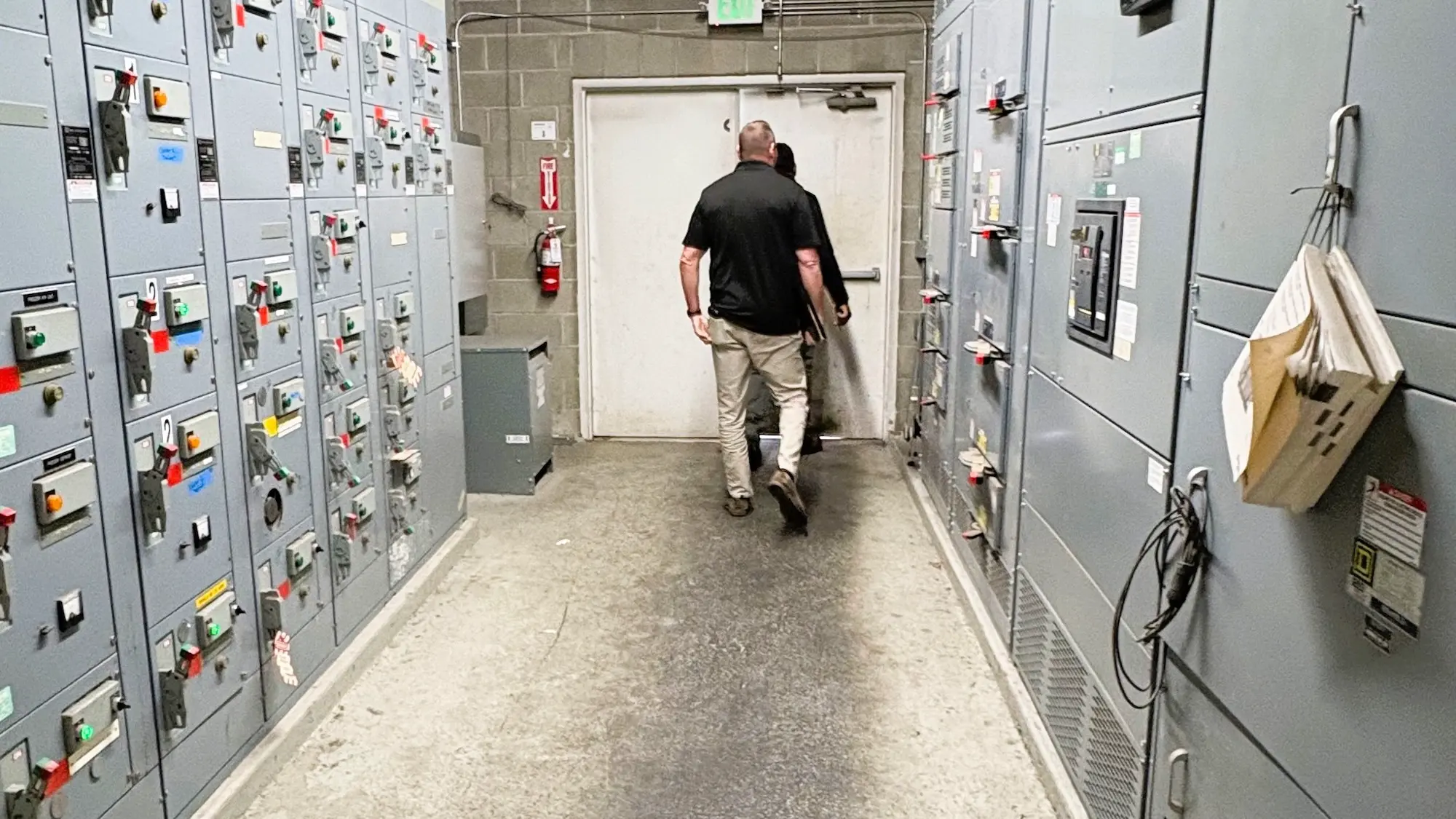
1. Walk the building
A journeyman documents every unit — model, serial, age, condition, refrigerant. We identify filtration gaps, economizer calibration status, and controls condition that will affect IAQ data before sensors are deployed.
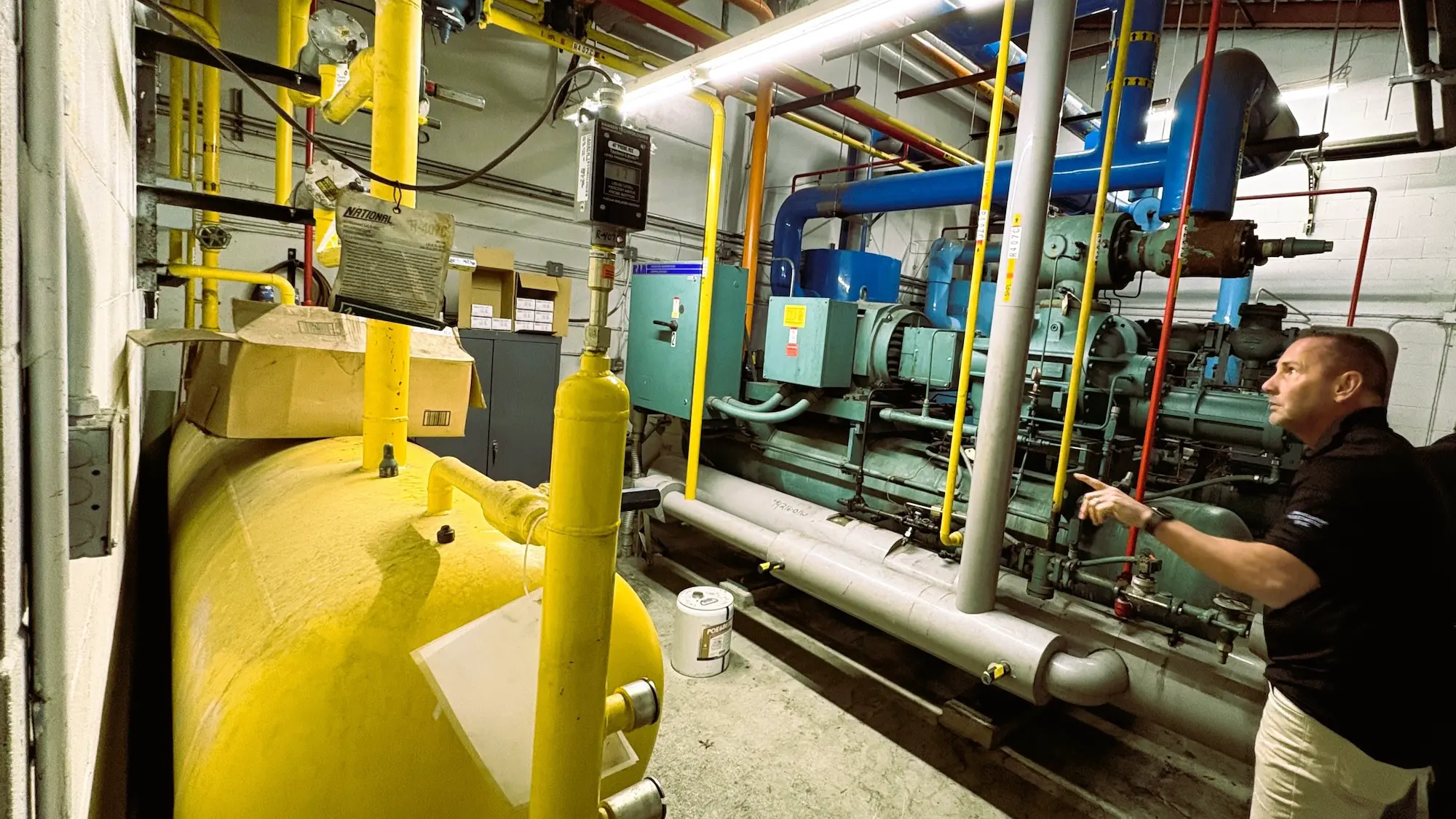
2. Get the plan and the number
A written PM scope, a service tier, and a maintenance program aligned with the building’s IAQ goals and certification targets. No vague estimates. No pressure to manufacture a project.
3. Stop thinking about it.
We show up on schedule, document everything, and answer the phone at 2 a.m. The maintenance record that supports your IAQ story builds itself, visit by visit.
IAQ Questions We Hear Most from Western Washington Building Operators.
Does Hoover install IAQ sensors or monitoring hardware?
Hoover does not sell or install standalone IAQ sensor hardware. What Hoover provides is the HVAC maintenance program — clean coils, calibrated controls, current filters, properly functioning economizers and demand-controlled ventilation — that produces the air quality conditions worth measuring. When a property is deploying a monitoring system, we coordinate alongside the technology vendor and commissioning engineer to ensure the HVAC system is performing well enough to support the data. The sensor measures the system. The system’s performance is our lane.
What IAQ standards should Western Washington commercial buildings be targeting?
Three benchmarks cover most commercial IAQ decisions: CO₂ below 1,000 ppm (the ASHRAE 62.1-informed target for well-ventilated occupied spaces; above 1,000 ppm cognitive function is measurably affected), VOCs below 500 μg/m³ (the level at which Harvard research found 13% cognitive function reduction), and PM2.5 well below outdoor levels during wildfire events (EPA annual standard 12 μg/m³; WELL Building Standard targets significantly lower for certified spaces). Contact ASHRAE or the WA Department of Health for building-specific determinations.
How does wildfire smoke season affect IAQ management for PNW buildings?
Western Washington buildings typically experience elevated outdoor PM2.5 from August through October. The key HVAC response is economizer management — economizers that bring in outdoor air for free cooling should be capable of switching to recirculation mode when outdoor PM2.5 reaches elevated levels. Buildings without this control capability or with poorly maintained filtration can see indoor PM2.5 rise significantly during smoke events. A documented record of indoor PM2.5 staying below outdoor levels during smoke events is increasingly becoming a tenant question at lease renewal.
What is demand-controlled ventilation, and does it affect IAQ?
Demand-controlled ventilation (DCV) adjusts airflow based on actual CO₂ readings and occupancy rather than running at fixed rates continuously. When calibrated correctly, DCV keeps CO₂ below the 1,000 ppm threshold in variable-occupancy spaces while reducing energy consumption by 10–21% compared to fixed-rate ventilation. DCV requires that CO₂ sensors are calibrated and controls are current — both of which are part of a documented HVAC PM program. Without maintained controls, DCV systems drift, and CO₂ levels climb without triggering the ventilation response they were designed for.
Can IAQ improvements help our building qualify for energy incentives alongside CBPS compliance?
IAQ improvements and CBPS compliance address different metrics — IAQ focuses on occupant health; CBPS measures energy-use intensity. However, demand-controlled ventilation improvements that improve IAQ by keeping CO₂ in range also reduce energy consumption, which improves the building’s EUI score for CBPS reporting. The Washington Clean Buildings Early Adopter Incentive Program rewards buildings that move ahead of their CBPS compliance deadline with up to $2.00 per square foot — and the same O&M program that supports IAQ monitoring is what CBPS compliance reviewers look for. They reinforce each other.
Your building is already producing air quality data. The only question is whether you’re capturing it.
An IAQ assessment from Hoover starts with the HVAC equipment that determines your air quality outcomes — before any sensor is deployed. We tell you whether your system is maintaining the conditions that would produce clean data, and what it would take to close the gap.
One conversation. One site visit. A clear picture of where your building actually stands.