Refrigerant Transition Planning for Commercial Facilities
The refrigerant landscape changed. Your existing equipment did not.
If you manage commercial HVAC or refrigeration equipment, the refrigerant transition belongs in your capital plan before an aging system forces the decision.
Existing equipment does not automatically become unusable because federal refrigerant rules are changing. EPA guidance says current HFC (hydrofluorocarbons)-management requirements do not generally require owners to stop using or servicing existing equipment.
Your facility may have R-410A equipment operating alongside newer systems designed for lower-global-warming-potential refrigerants. In applicable comfort-cooling equipment, those newer choices include R-454B and R-32. Commercial refrigeration may use different refrigerants and technologies depending on the application.
Already an active Hoover client with an urgent equipment issue?
What Is the Commercial Refrigerant Transition?
Start With Clear Information.
The commercial refrigerant transition is changing, again.
If it is confusing that is totally ok we are at Hoover are here to make it make it sense.
Under the AIM Act, EPA is phasing down national production and consumption of HFC refrigerants by 85% below historical baseline levels by 2036. HFC allowances are capped at 60% of baseline during 2024–2028 and fall to 30% during 2029–2033.
EPA also applies equipment-specific restrictions through its Technology Transitions Program. The allowable refrigerant and compliance date depend on the equipment category, so the transition cannot accurately be reduced to a single statement that “R-410A was banned in 2025.”
For the person managing a commercial building, the practical issue is simpler:
Know what is installed and understand what is likely to change when the equipment is eventually replaced.
A commercial property may contain equipment from different years, manufacturers and refrigerant generations. Older equipment may remain operational while future replacements follow different refrigerant, equipment and installation requirements.
Which assets can we maintain, which should we monitor, and which should enter replacement planning?
Does Existing R-410A Equipment Need to Be Replaced Now?
No. The presence of R-410A alone does not mean functioning equipment must be replaced immediately.
EPA’s current HFC-management rule does not generally require consumers to stop using or servicing their existing equipment.
EPA HFC Use - Reuse
The stronger planning approach is to evaluate:
- Equipment type
- Manufacturer and model
- Approximate installation year
- Refrigerant
- Current mechanical condition
- Repair and service history
- Refrigerant-related service history
- Operational criticality
- Replacement availability
- Replacement priority
There is a meaningful difference between:
- An operating system with a manageable service history
- An aging unit accumulating repairs
- A system with recurring refrigerant loss
- Equipment using a refrigerant with changing availability or cost
- A critical asset whose failure immediately affects tenants, production, products or operations
Those assets should not automatically receive the same recommendation. They should receive the same scrutiny.
What Is Changing for New HVAC Equipment?
EPA’s Technology Transitions Program limits higher-GWP HFCs in multiple HVAC and refrigeration sectors. For stationary residential and light-commercial air-conditioning and heat-pump products, a GWP limit of 700 generally applied to manufacture and import beginning January 1, 2025. Other equipment categories follow different requirements and dates.
EPA finalized additional flexibility in May 2026 for qualifying residential and light-commercial equipment manufactured or imported before January 1, 2025. Separate transition provisions apply to certain VRF equipment.
That is why a blanket statement such as “no R-410A equipment can be sold or installed” is inaccurate.
New equipment is moving toward lower-GWP refrigerants, while existing equipment remains part of the service and capital-planning picture.
Why Do A2L Refrigerants Change the Equipment Conversation?
R-454B and R-32 are classified as A2L refrigerants under the ASHRAE safety-classification system. “A” identifies the lower-toxicity class, while “2L” identifies lower flammability with low burning velocity.
A2L refrigerants are not simply interchangeable fluids that can be placed into any existing system. Equipment must be designed, listed and labeled for the refrigerant being used. Applicable systems may incorporate specific sensors, controls, charge limits, ventilation provisions, installation requirements and service instructions.
For that reason, R-454B or R-32 should not be placed into R-410A equipment unless the original equipment manufacturer has expressly approved a specific conversion procedure.
Before approving a replacement, ask:
- What refrigerant is our equipment designed to use?
- Is that refrigerant appropriate for this application?
- What changes in installation, controls or service procedures?
- Is the equipment listed and approved for the proposed application?
- Are the technicians EPA Section 608-certified and trained for this equipment?
- What documentation will be provided?
- How does this replacement fit the rest of our capital plan?
HVAC and Commercial Refrigeration
Do Not Follow One Identical Path
Commercial HVAC and commercial refrigeration both fall within the broader HFC transition, but they should not be presented as though they use the same replacement refrigerants.
In applicable newer comfort-cooling equipment, R-454B and R-32 are common lower-GWP choices replacing R-410A.
Commercial refrigeration may use a wider range of alternatives, including R-454C, R-455A, R-744/CO2, R-290, R-717/ammonia and other application-specific refrigerants. Equipment architecture, charge size, temperature range, building use, code requirements and service capability affect the appropriate choice.
The first step is not selecting a refrigerant from a list. The first step is identifying the equipment and understanding the application.
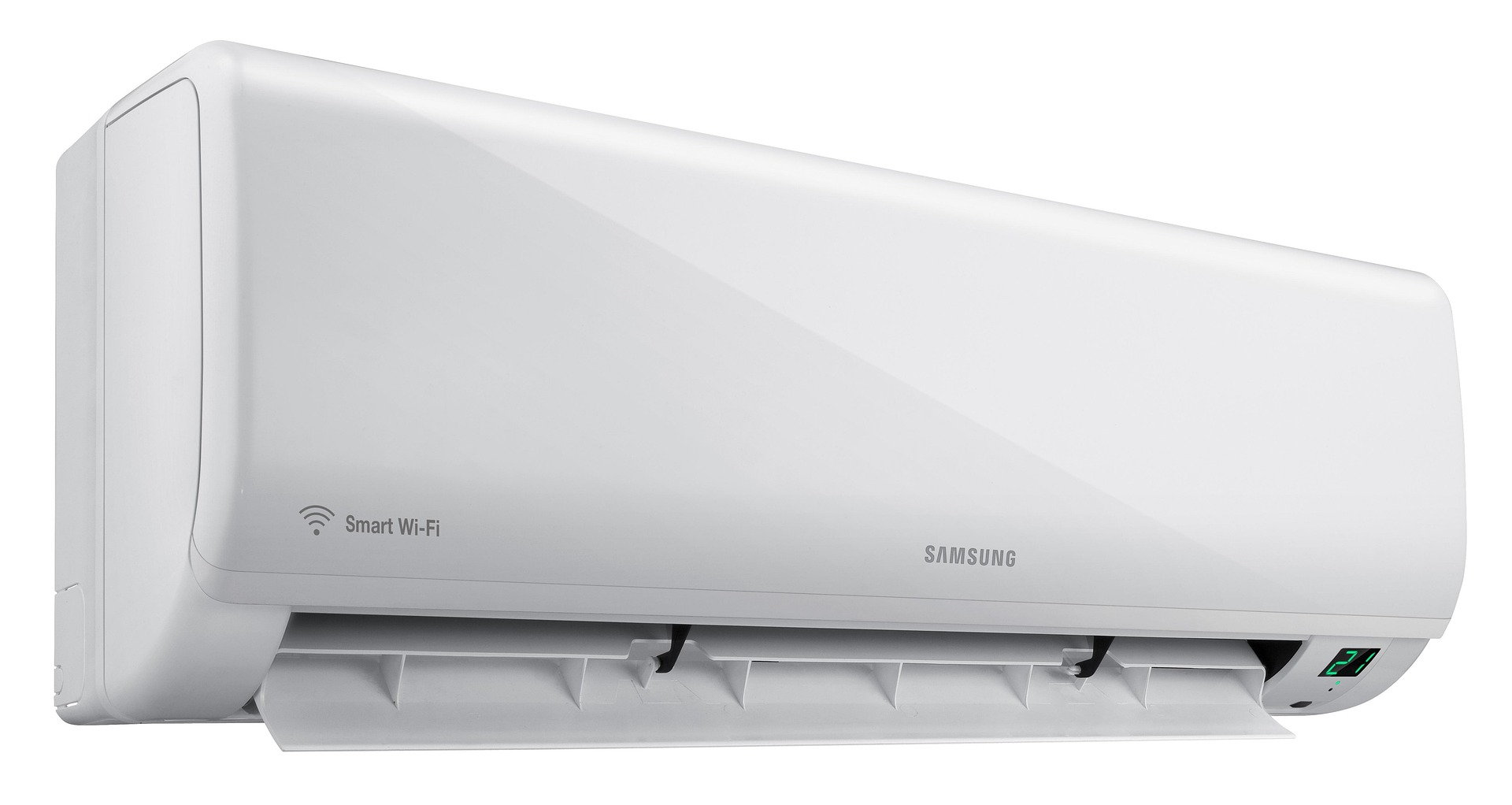
One Small Nameplate Can Affect a Large Capital Decision
A roof full of equipment can look remarkably similar from the parking lot. The decisions are not.
Imagine a commercial portfolio with rooftop units and refrigeration equipment installed over different years.
- Some assets are newer.
- Some are older.
- Some have a stable history.
- Some keep appearing on service reports.
- Some support spaces where temporary downtime can be managed.
- Others support operations where downtime creates an immediate business problem.
Replacing everything because refrigerants are changing can create unnecessary capital pressure.
Ignoring the issue until an important system fails creates a different problem:
Failure gets to choose the schedule.
Hoover’s facility-planning philosophy is to document equipment as it actually exists and create capital visibility before retirement or failure, rather than allowing unplanned repairs and compliance questions to drive the decision.
What Should a Refrigerant Transition Review Tell You?
A useful review should answer six practical questions:
1
What equipment do we have?
Identify equipment type, manufacturer, model, serial number where available, location, approximate age and operating purpose.
2
What refrigerant does it use?
Verify the refrigerant from the equipment nameplate, manufacturer information and available service records rather than assuming from installation year alone.
3
What condition is it in?
Base condition on current mechanical findings, not refrigerant type by itself.
4
Which assets deserve attention first?
Use age, service history, recurring refrigerant work, component condition and operational importance to establish priority.
5
What changes if the equipment is replaced?
Address the proposed refrigerant, equipment listing, installation requirements, controls, electrical implications, service capability and documentation.
6
What should happen next?
Assign a practical recommendation: maintain, monitor, develop replacement scope, or add to near-term capital planning.
The goal is not to turn every older unit into a project. It is to stop every important unit from being an unknown.
Maintain. Monitor. Plan.
Maintain
The system is operating, its condition supports continued service, and the repair history does not justify immediate replacement. Keep it maintained. Keep documenting it. Continue watching for changes in condition, refrigerant loss and parts availability.
The federal transition does not by itself require the retirement of functioning equipment.
https://www.epa.gov/hfcs/regulatory-actions-managing-hfc-use-and-reuse
Monitor
The equipment remains operational, but its age, condition, repair history, refrigerant history or operating importance deserves closer attention.
Hoover’s preventive-maintenance framework emphasizes system readings, written anomalies, work performed, conditions being monitored, technician accountability and refrigerant information when applicable.
What are we watching?
A documented condition can become a planned budget item before it becomes a failure.
Plan
Replacement is foreseeable enough that scope, timing and budget deserve attention. This does not necessarily mean replacement today. It means the asset should no longer surprise ownership.
Planned replacement is a facilities decision. Failed equipment is an operating event.
Why Documentation?
Because the next decision-maker needs context. Without usable records, every new property manager, technician, owner or contractor starts closer to zero.
A meaningful service record should identify:
- The asset serviced
- Date of service
- Technician
- Relevant system readings
- Conditions found
- Work performed
- Refrigerant added or recovered, when applicable
- Remaining concerns
- Recommended follow-up
- Photographs of material conditions, when useful
Hoover’s service-report framework focuses on readings, anomalies, specific work performed, forward-looking conditions, technician identification and photo documentation.
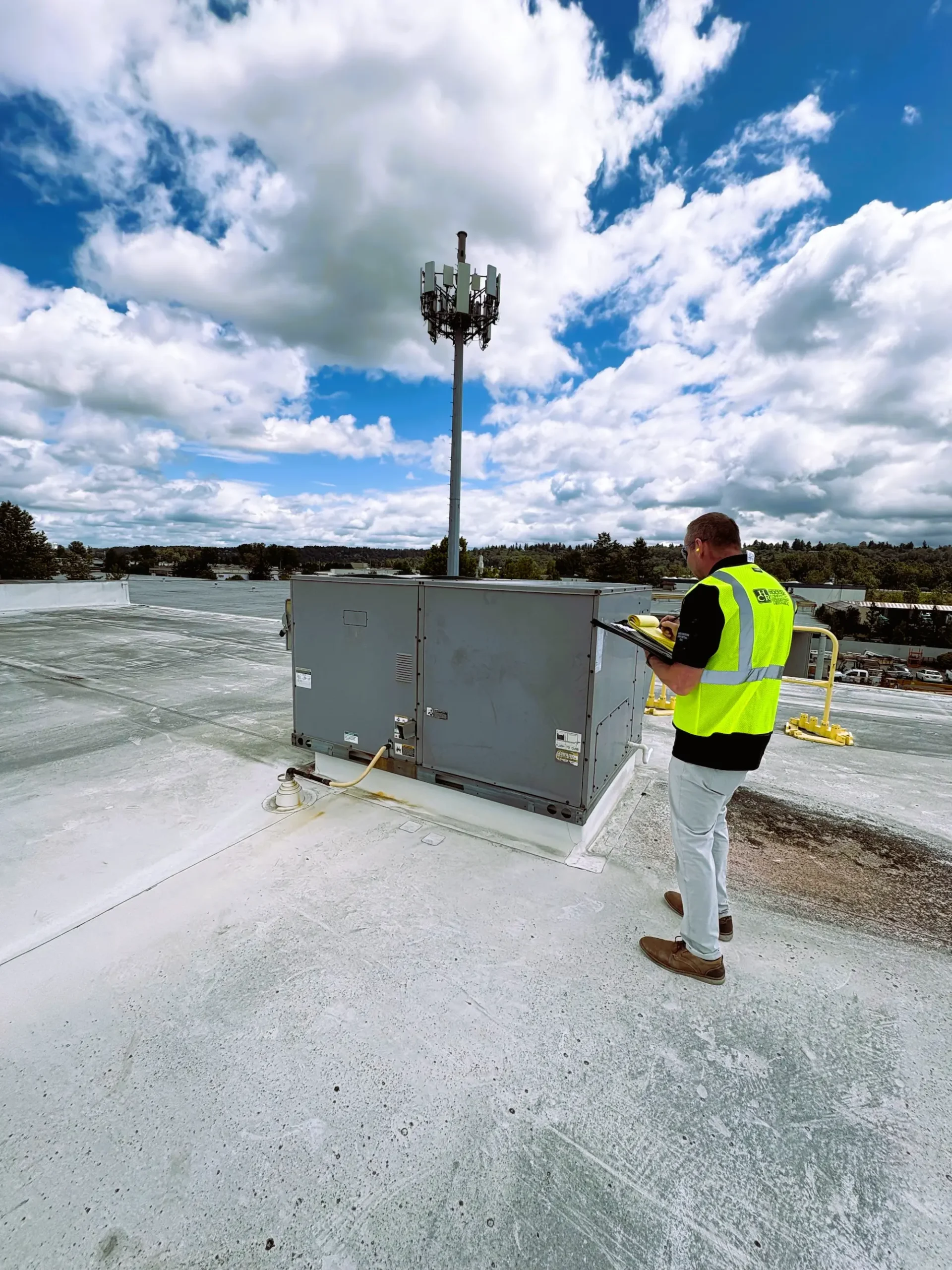
Compare:
Checked unit. Added refrigerant.
With Hoover:
RTU-4 was inspected after a no-cooling complaint. Findings, test readings, corrective work, and the quantity and type of refrigerant added were documented. A developing condition remains and should be reviewed at the next scheduled visit.
The second record helps the next decision. This is the Hoover way.

What Does EPA Section 608 Mean for Facilities Teams?
EPA Section 608 requires technician certification for people who, while maintaining, servicing, repairing or installing stationary refrigeration or air-conditioning equipment, could reasonably be expected to open the refrigerant circuit and release refrigerant.
Section 608 also prohibits intentional venting and establishes refrigerant-management, recovery, sales and recordkeeping requirements. Specific owner, operator and technician recordkeeping obligations depend on the equipment, refrigerant, refrigerant charge and activity performed.
For a property or facility manager, the practical questions are:
- What refrigerant is in this equipment?
- Is the technician EPA Section 608-certified?
- What work was performed?
- Was refrigerant added, removed or recovered?
- What documentation applies to this equipment?
- Where are the records kept?
- Does the finding affect our service or replacement plan?
Those are management questions. You do not need to become the refrigerant technician.
What Should You Ask a Contractor About A2L Equipment?
What refrigerant is this equipment designed to use?
The answer should be documented before the equipment is ordered.
Is the equipment listed and approved for this application?
The refrigerant, equipment, application and installation need to work as a system.
What changes in installation or service?
Depending on the equipment, A2L requirements may affect tools, work practices, sensors, controls, ventilation, charge limits and manufacturer procedures.
Is the technician prepared for this specific equipment?
Ask about EPA Section 608 certification, manufacturer training, A2L safety and service training, appropriate tools and recovery equipment, and access to the manufacturer’s current installation and service instructions.
What documentation will we receive?
The building should leave each material service or replacement event with a stronger equipment record.
How does this purchase fit the long-term plan?
A technically acceptable replacement can still be a poor portfolio decision if no one considers surrounding assets, future capacity or operating priorities.
Refrigerant Transition Planning Is Capital Planning
Suppose you manage 12 aging HVAC systems across four commercial properties.
The HFC phasedown does not mean all 12 assets should be treated identically. Their condition, repair histories, refrigerants and operational consequences may differ.
Ownership needs a better conversation than:
We have a group of old units.
The useful version is:
Here are the systems we recommend continuing to maintain. Here are the assets we are monitoring. Here are the units that should enter capital planning, and here is the reason for each recommendation.
Hoover’s facility philosophy treats the equipment baseline as an operational asset and calls for capital visibility on older equipment before retirement.
The refrigerant transition becomes easier when the portfolio is already visible.
One Building. Two Mechanical Disciplines.
A commercial facility may contain:
- Rooftop HVAC units
- Rack Refrigeration Systems
- Split Systems
- Air-Handling Equipment
- Heat Pumps
- Walk-in and Self Contained Coolers
- Walk-in and Self Contained Freezers
- Ice Machines
- Prep Refrigeration
- Process-Cooling Equipment
- Other commercial refrigeration systems
Those assets may use different refrigerants and follow different transition paths.
Hoover’s combined HVAC and commercial-refrigeration capability allows both groups to be considered within the same broader service, documentation and capital-planning framework.
Which refrigerant-dependent assets could create the next unplanned operating or capital decision?
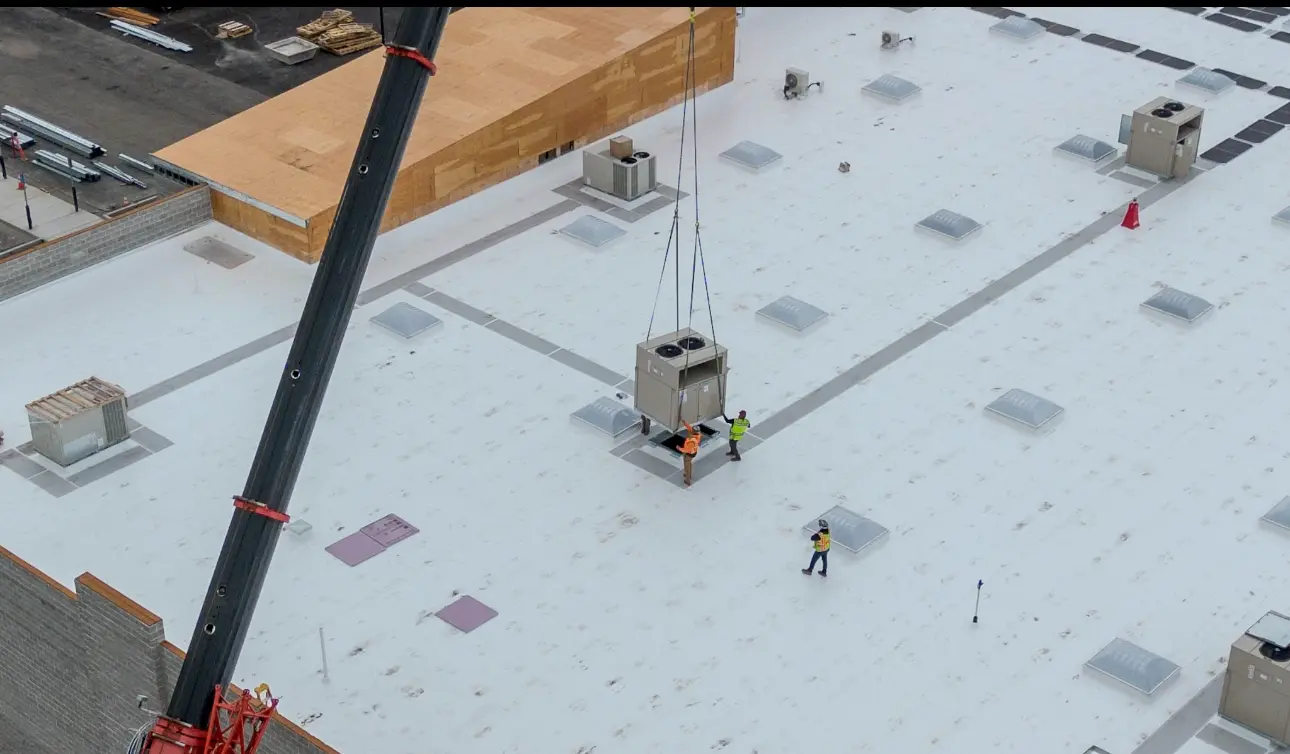
How Hoover Approaches Refrigerant Transition Planning
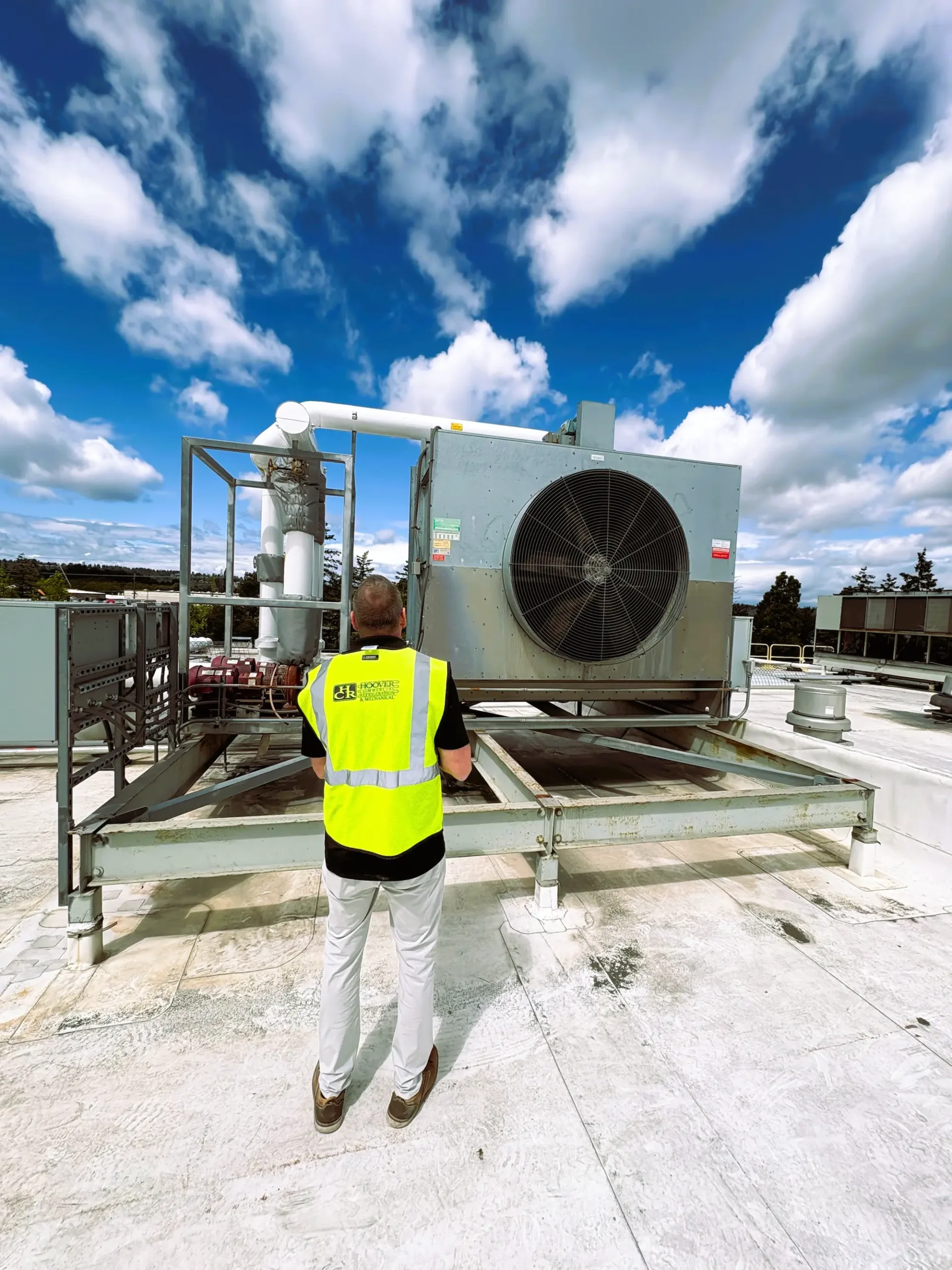
1. Document the equipment
Establish the relevant HVAC and refrigeration asset picture: equipment, refrigerant, condition, history and operating importance.
2. Separate the decisions
Not every asset requires the same action. Divide equipment into maintain, monitor and replacement-planning candidates.
3. Build the next move
Use the findings to inform maintenance, repair, procurement and capital-planning conversations. Keep the underlying equipment record useful as the property, tenants and systems change.

We Already Have an HVAC Contractor. Do We Need to Change?
Not necessarily.
Start by asking your existing contractor for:
- An equipment list
- Refrigerant types
- Service history
- Refrigerant-related service history
- Conditions they are monitoring
- Replacement candidates
- Their approach to newer refrigerants and equipment
- Technician qualifications and applicable training
Hoover’s education-first framework encourages property teams to evaluate the quality and usefulness of the work rather than treating vendor replacement as the first objective.
If the answers are specific, documented and useful, that is valuable. If they are not, you have learned something equally important.
Commercial HVAC and Refrigeration Support Across Western Washington
Hoover supports commercial facilities across Western Washington with commercial HVAC, refrigeration service, documented maintenance and equipment planning.
Regional coverage matters when responsibility extends across multiple buildings or when one facility contains both HVAC and refrigeration assets.
The geography is not the main story. Your equipment is the story.
Regional coverage means the planning relationship can follow the equipment across the Western Washington facilities you are responsible for.
Frequently Asked Questions
Can I keep operating existing R-410A equipment?
Yes. EPA’s current HFC rules do not generally require owners to stop operating or servicing existing equipment. Condition, repair history, refrigerant history and operational importance should guide the decision.
Was R-410A banned in 2025?
Not in the simple sense the phrase suggests. Beginning in 2025, EPA restrictions applied to the manufacture or import of several categories of new equipment using higher-GWP HFCs. Dates and requirements vary by equipment subsector, and EPA has adopted additional provisions for qualifying inventory and VRF equipment.
Can R-410A equipment simply be filled with R-454B or R-32?
Not as a routine substitution. R-454B and R-32 are A2L refrigerants, and the equipment must be designed, listed, labeled and serviced for the refrigerant used. Follow the original equipment manufacturer’s instructions.
Are R-454B and R-32 the new refrigerants for all commercial equipment?
No. They are common choices in applicable new comfort-cooling and heat-pump equipment. Commercial refrigeration uses several different refrigerants and system architectures depending on the application.
Should we replace all older R-410A equipment at once?
Not solely because it uses R-410A. Evaluate condition, age, recurring repairs, refrigerant history, criticality, replacement lead time and the financial consequences of failure.
Does an HVAC technician need a special federal A2L certification?
EPA requires Section 608 certification for technicians who perform work that may open the refrigerant circuit. “A2L certification” is not a separate federal EPA credential. Ask about Section 608 certification, manufacturer training, A2L safety training and preparedness for the specific equipment.
What should be included in an equipment inventory?
At minimum: asset identifier and location; equipment type; manufacturer; model and serial number; approximate installation year; refrigerant; capacity where available; current condition; significant repair history; refrigerant-related service history; operating importance; recommended next action; and replacement priority.
Why do service records matter?
Because history changes the quality of the decision. An isolated repair is different from recurring refrigerant loss or a pattern of declining performance. Federal recordkeeping requirements vary by equipment and activity, but complete facility records remain valuable even where a particular field is not legally required.
EPA: Section 608 Recordkeeping and Reporting. https://www.epa.gov/section608/recordkeeping-and-reporting-requirements-stationary-refrigeration
Does Hoover provide 24/7 emergency service?
24/7 emergency dispatch is available for active Hoover clients. For prospective customers using this page, the next step is a Refrigerant Transition Review, not an unrestricted emergency-service request.
Know the Equipment Before It Chooses the Timing
You do not have to replace every older system because the refrigerant landscape is changing.
But you should know what you have.
Know the refrigerant.
Know the condition.
Know the history.
Know which equipment is worth maintaining.
Know which assets deserve closer monitoring.
Know which systems belong in the capital plan.
The objective of a Refrigerant Transition Review is simple: