Refrigeration Projects Delivered on Budget and On-Time
Build for what comes next.
Can a technically sound refrigeration project still fail the business?
The equipment may run. The temperatures may hold. But if construction slips, change orders multiply, or commissioning uncovers problems days before turnover, your team still has a problem to explain.
Hoover helps grocery, retail, cold-storage, food-production, and distribution teams complete commercial refrigeration installations with the schedule, budget, specification, and operating reality in view from the beginning.
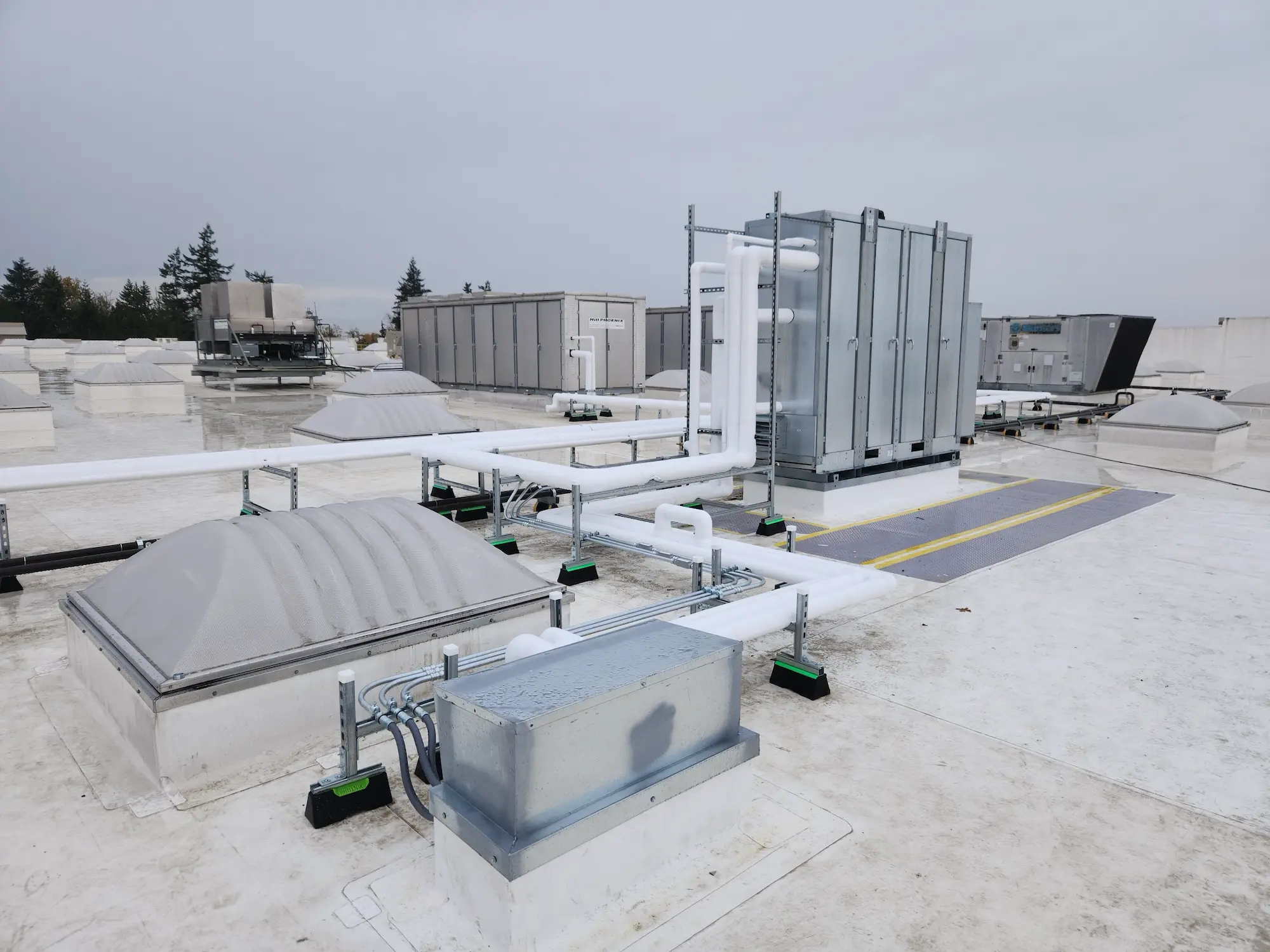
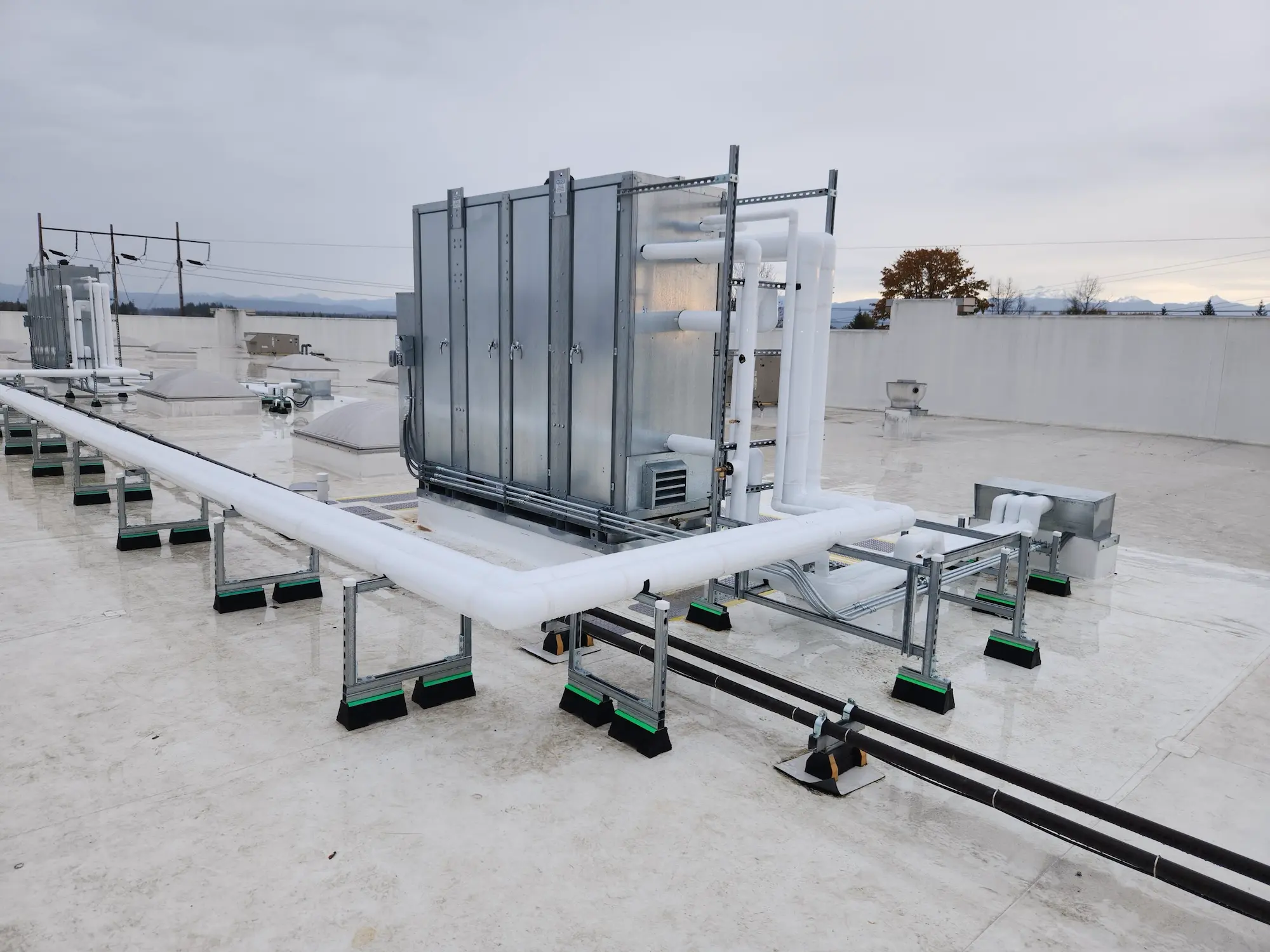
We install conventional and low-GWP refrigeration systems, including CO2 options. Hoover also coordinates the work surrounding the system, so your facility is ready to operate, not merely ready for a final inspection.
Plan the scope. Protect the schedule. Build reliable operations.
The Outcome You Need Is Bigger Than the Equipment
You may be opening a store, remodeling an active location, replacing an aging rack, expanding refrigerated space, adding production capacity, or aligning a portfolio around a new equipment standard.
In every case, refrigeration is one part of a larger commitment.
Merchandising has dates. Operations has staffing plans. Product has arrival windows. Other trades have dependencies. Leadership has a budget and an opening target. If refrigeration falls behind, the consequences move far beyond the mechanical room.
That is the outcome Hoover works to prevent.
Our job is to help you reach turnover with a system installed to the agreed scope, coordinated with the surrounding project, documented for the people who will operate it, and ready for the next phase of its life.
Commercial Refrigeration Installation Capabilities
Every project starts with the operating need. We help evaluate the application, project requirements, site conditions, service expectations, and long-term plan before the installation path is finalized.
- New-store and new-facility refrigeration installations
- Retail Grocery Chain and retail remodels
- Rack-system replacements and upgrades
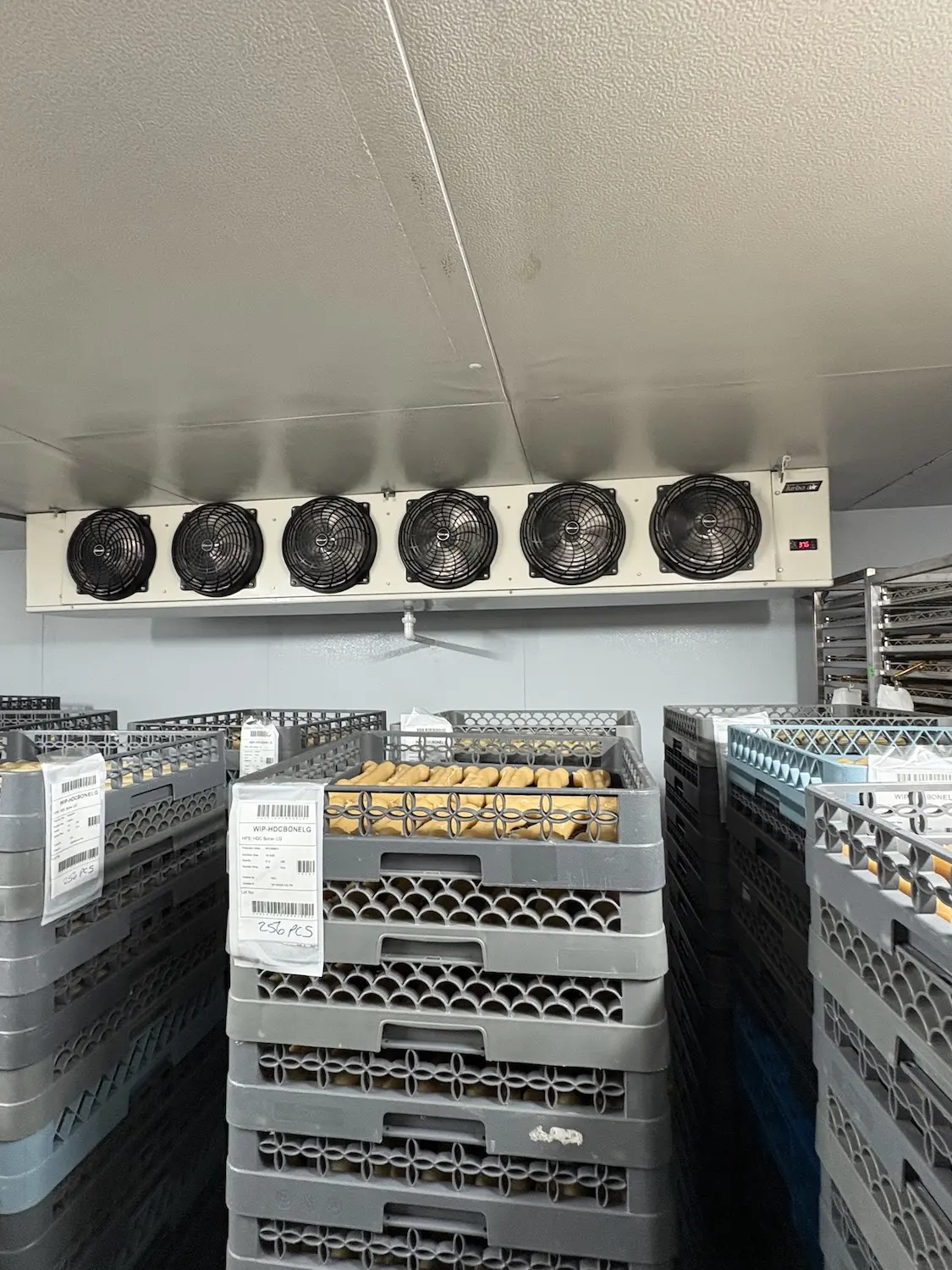
- Walk-in cooler and freezer installations
- Cold-storage and refrigerated warehouse projects
- Glycol, chiller, and process-cooling applications
- Condensing units, evaporators, piping, controls, and related components
- Equipment replacements in active facilities
- Low-GWP and CO2 refrigeration options
- Startup, commissioning support, turnover documentation, and service planning
If your project includes equipment outside this list, bring it into the conversation. The right decision is based on the complete facility.
Protect the Schedule Before Work Reaches the Field
The most expensive installation surprises tend to appear late.
A long-lead component change. Electrical requirements do not match field conditions. Controls' responsibilities are unclear. Access affects labor. A late design decision changes piping or equipment placement. Startup is scheduled before every dependency is ready.
These issues are easier to solve while they are still lines on a plan.
Hoover approaches installation as a coordinated project. That means clarifying scope, identifying dependencies, communicating decisions, and raising conflicts early enough for the team to act.
You should know what is included. You should know what the refrigeration work requires from other trades. And you should know which choices can affect schedule, cost, commissioning, or future service.
Built to Specification. Planned for Operation.
Installation drawings and equipment schedules matter. So does the building that exists after the project team leaves.
A system can meet the immediate specification while creating avoidable problems for the facility team. Components may be difficult to access. Labels may be unclear. Controls may be poorly explained. Service records may begin with missing information. Operators may inherit a system without a clean understanding of what was installed.
We want turnover to create clarity.
The goal is not simply to complete construction. It is to give your operations team a refrigeration system they can understand, maintain, and support.
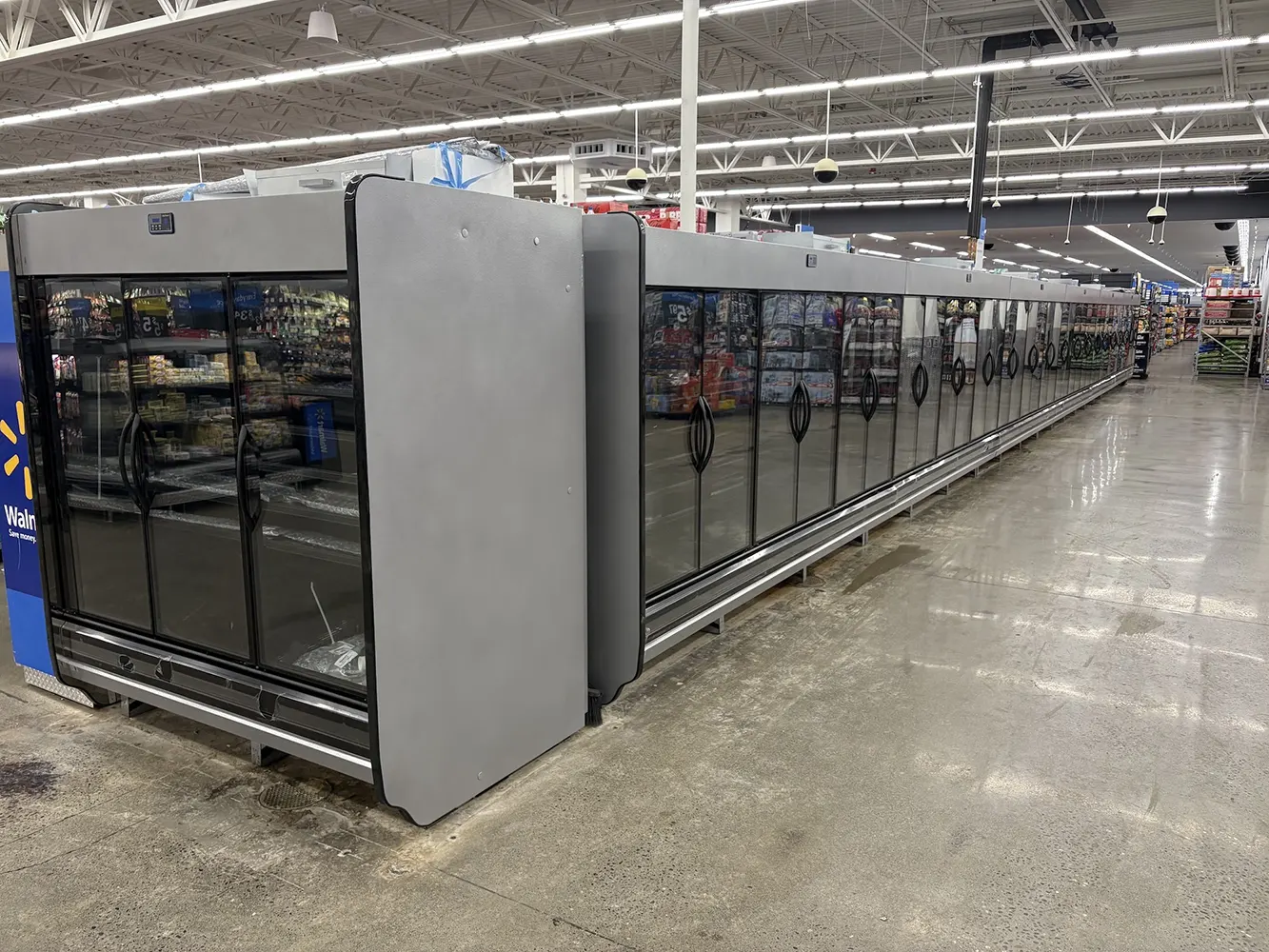
CO2 Is Part of the Conversation, Not the Whole Conversation
CO2 refrigeration is already part of the commercial market. For the right grocery, retail, cold-storage, or food-related application, it deserves a serious evaluation.
But CO2 is not the only measure of a good project, and it is not automatically the right answer for every facility.
The better question is: which refrigeration strategy best supports your application, schedule, budget, regulatory direction, operating team, and long-term service plan?
Hoover can include CO2 in that evaluation without forcing every installation into a CO2 story. If CO2 is the selected path, our dedicated CO2 installation content can take the technical conversation deeper. If another system is the better fit, the project still receives the same focus on coordination, execution, commissioning, and turnover.
A Clearer Installation Process
Large projects feel safer when the next step is clear. Our installation conversations are organized around three practical phases.
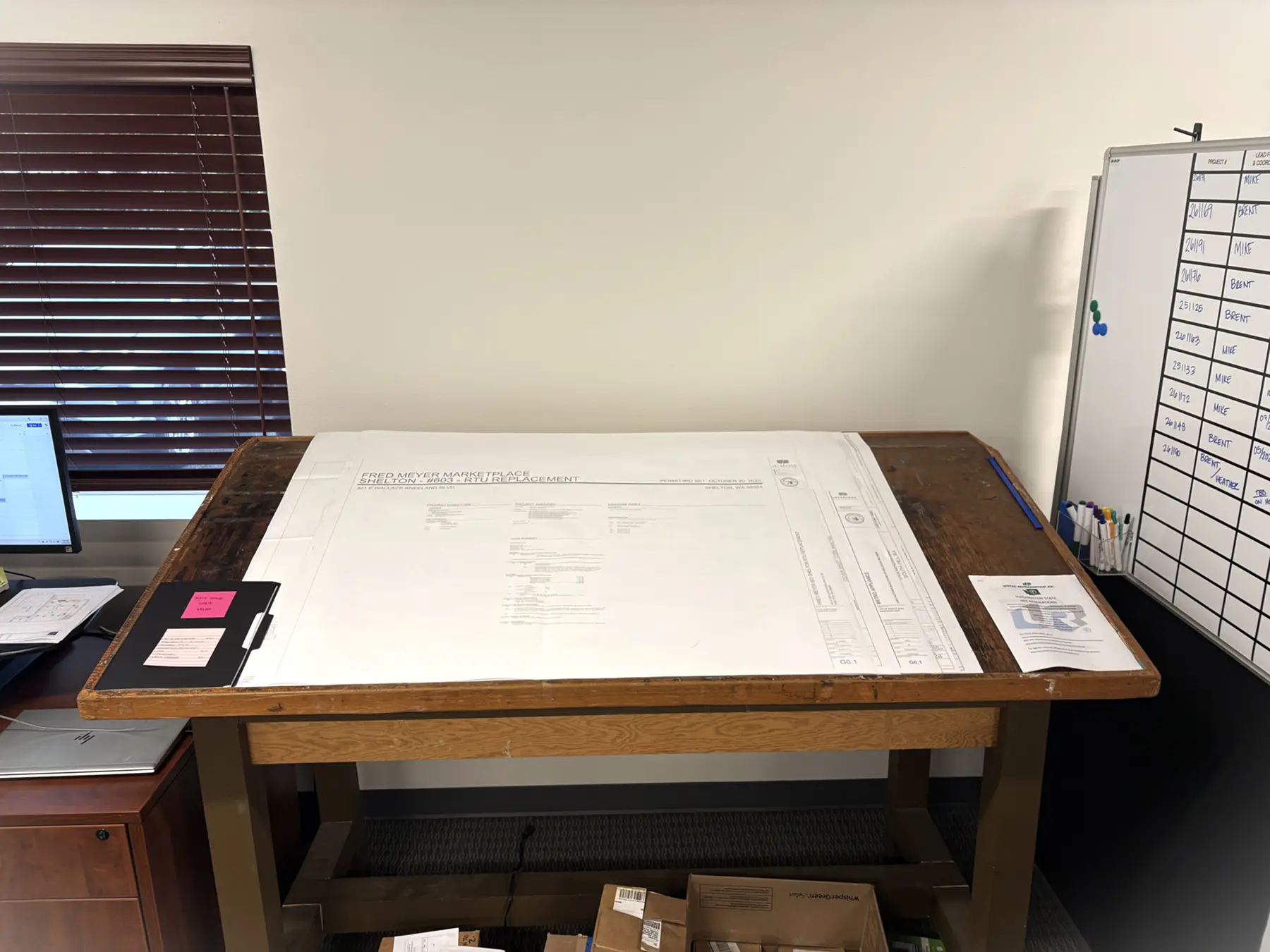
1. Define the project.
We review the facility, application, drawings, equipment strategy, schedule, budget priorities, operating constraints, and open questions. The purpose is to identify what must be true for the project to succeed.
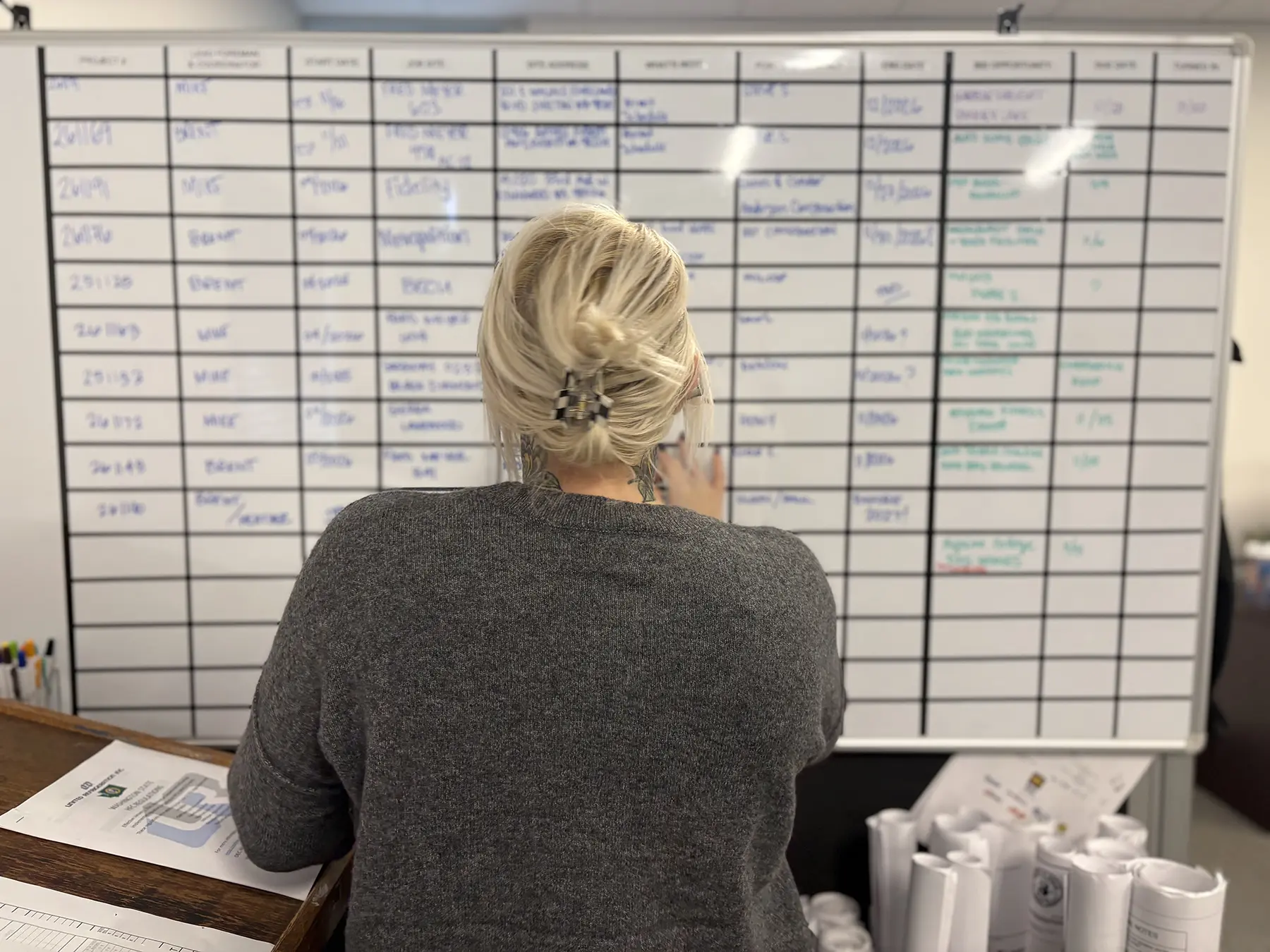
2. Coordinate the work.
We align the refrigeration scope with equipment availability, site access, electrical needs, controls, other trades, startup requirements, and project milestones. When something changes, the team needs a clear picture of the impact.

3. Commission and hand off.
We support startup, verify the agreed scope, organize project information, and help prepare the system for the people responsible after turnover. The finished project should be operable, serviceable, and documented.
What We Help You Avoid
- Refrigeration work delaying the opening or turnover date
- Late scope gaps that become expensive change orders
- Equipment selections that do not match the operating need
- Coordination conflicts discovered during installation
- Commissioning delays caused by incomplete dependencies
- A system that meets the drawing but frustrates the service team
- Poor documentation that forces operations to start from zero
- A refrigerant decision made without a long-term operating view
Avoiding those outcomes requires more than workmanship. It requires communication, sequencing, documentation, and a partner willing to look beyond the immediate task.

Installation That Leads Into Long-Term Support
The best time to think about service is before turnover.
When installation information, equipment details, controls, baseline conditions, and recommended maintenance needs are organized from the start, the facility team is better prepared to protect the investment.
Hoover supports commercial refrigeration beyond installation. For clients who want an ongoing relationship, the project can lead into preventive maintenance, planned service, equipment history, and support for the refrigeration and commercial HVAC systems serving the facility.
That continuity matters. The people maintaining the system should not have to rediscover every design decision after the first service call.
Planning a Refrigeration Project?
Start the conversation before the schedule becomes tight.
Bring us the project goals, drawings, opening date, equipment questions, budget priorities, and the issues your team is already watching. We will help organize the refrigeration discussion around what matters most: scope, schedule, coordination, installation quality, commissioning, and dependable operation after turnover.
You do not need every answer before reaching out.
You need a clear next step.