Commercial Refrigeration Repair & Emergency Service
When Refrigeration Fails, Your Store Doesn't Have Time for Guesswork.
A case is warming up.
A walk-in will not hold temperature.
A rack alarm will not clear.
Maybe the store manager is already on the phone with regional. Maybe product is being moved. Maybe your team is trying to decide whether this is one case, one circuit, or the beginning of a larger problem.
You need answers.
Does Hoover work on this equipment?
If you're already a Hoover partner, you also need the fastest path to the people who know your account.
Already a Hoover partner and need refrigeration service now?
Yes, We Work on That.
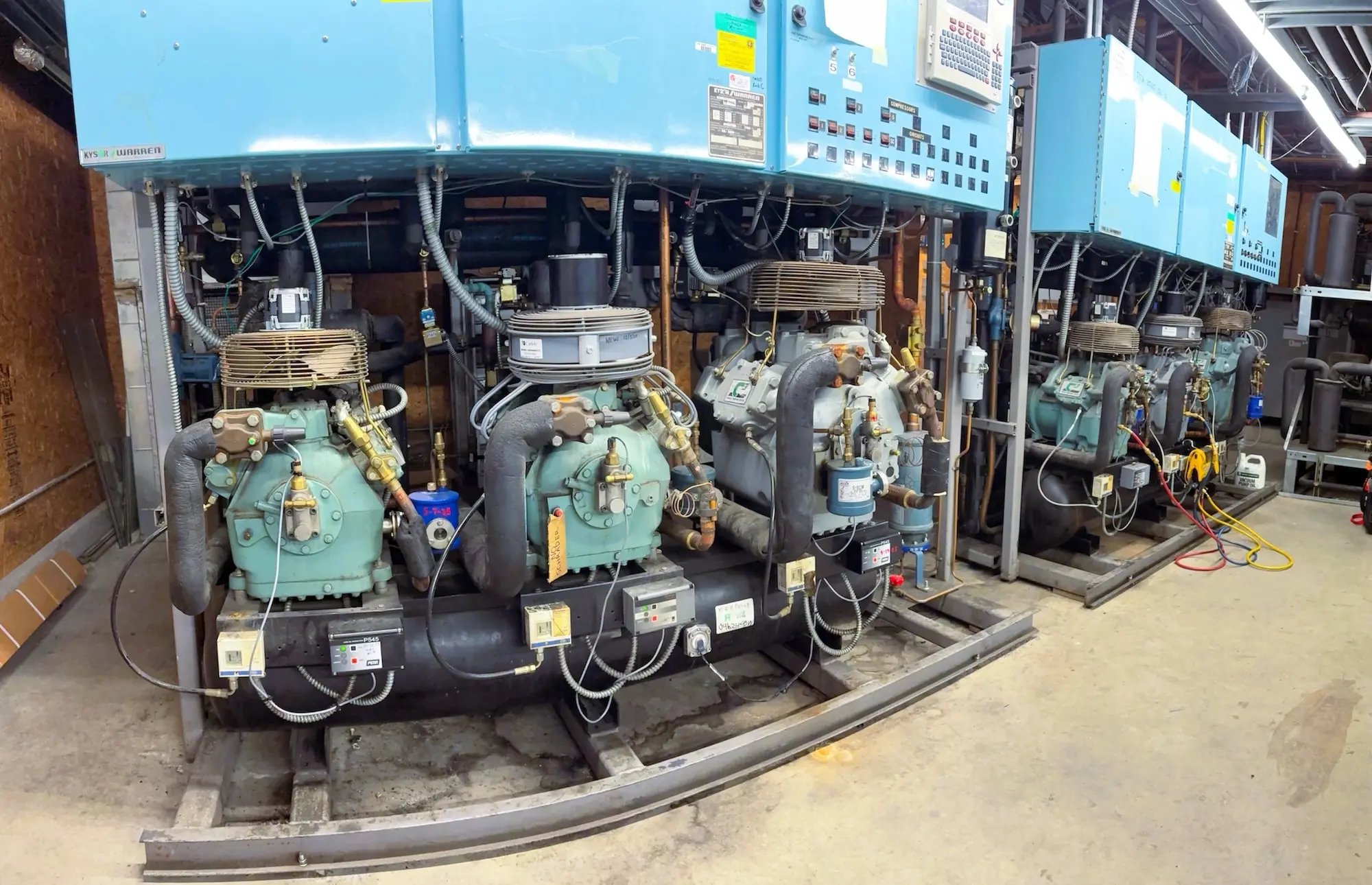
Hoover provides commercial refrigeration repair and service for grocery stores, supermarkets, regional retail chains, institutional campuses, healthcare facilities, refrigerated distribution operations, and other commercial facilities.
Equipment We Service
- Rack refrigeration systems
- Walk-in coolers
- Walk-in freezers
- Reach-in refrigeration
- Refrigerated cases and display equipment
- Glycol systems
- Commercial chillers
- Condensing units
- Evaporators
- Refrigeration controls
- Defrost systems
- Ice machines
- Refrigerated prep equipment
Know Before You Call
Hoover is not focused on:
- Large ammonia refrigeration plants
- Food-process chilling plants
- Production-critical process refrigeration
- Large industrial process-cooling systems
- Restaurant refrigeration service
Not a Hoover Partner Yet?
Don't Wait for the Breakdown to Introduce Us.
The worst time to choose a refrigeration company is when temperatures are already moving.
The GM needs an update. Regional wants to know who has been called. Employees are trying to protect product and serve customers. Facilities is trying to understand whether the problem affects one piece of equipment or more.
Now someone has to find a contractor who has never seen the store before.
There is a better time to establish that relationship.
Before the Emergency.
We will get know your locations, refrigeration equipment, service expectations, and operating priorities while your team has time to make a good decision.
Establish your locations, equipment, and service relationship before the next refrigeration emergency.
The Emergency Often Has a History
A refrigeration failure feels sudden. Sometimes the equipment has been telling a story.
- A reading starts moving away from baseline.
- A recurring service problem appears again.
- A component begins operating outside its normal range.
- A problem gets fixed, but another condition deserves watching.
That history matters. That makes the next decision easier.
What Happens When There's a Refrigeration Problem?
Start With Clear Information.
When you have a refrigeration problem, the first goal is understanding what is happening.
Useful information includes:
- Which location is affected?
- What equipment is involved?
- What is the store or facility seeing?
- Is one piece of equipment affected or several?
- Has Hoover serviced this equipment before?
- Has the problem occurred previously?
- What changed before the problem appeared?
From there, the focus moves to the equipment and the conditions involved.
The goal is to give the people responsible for the operation a clear picture of the problem and a practical next step.
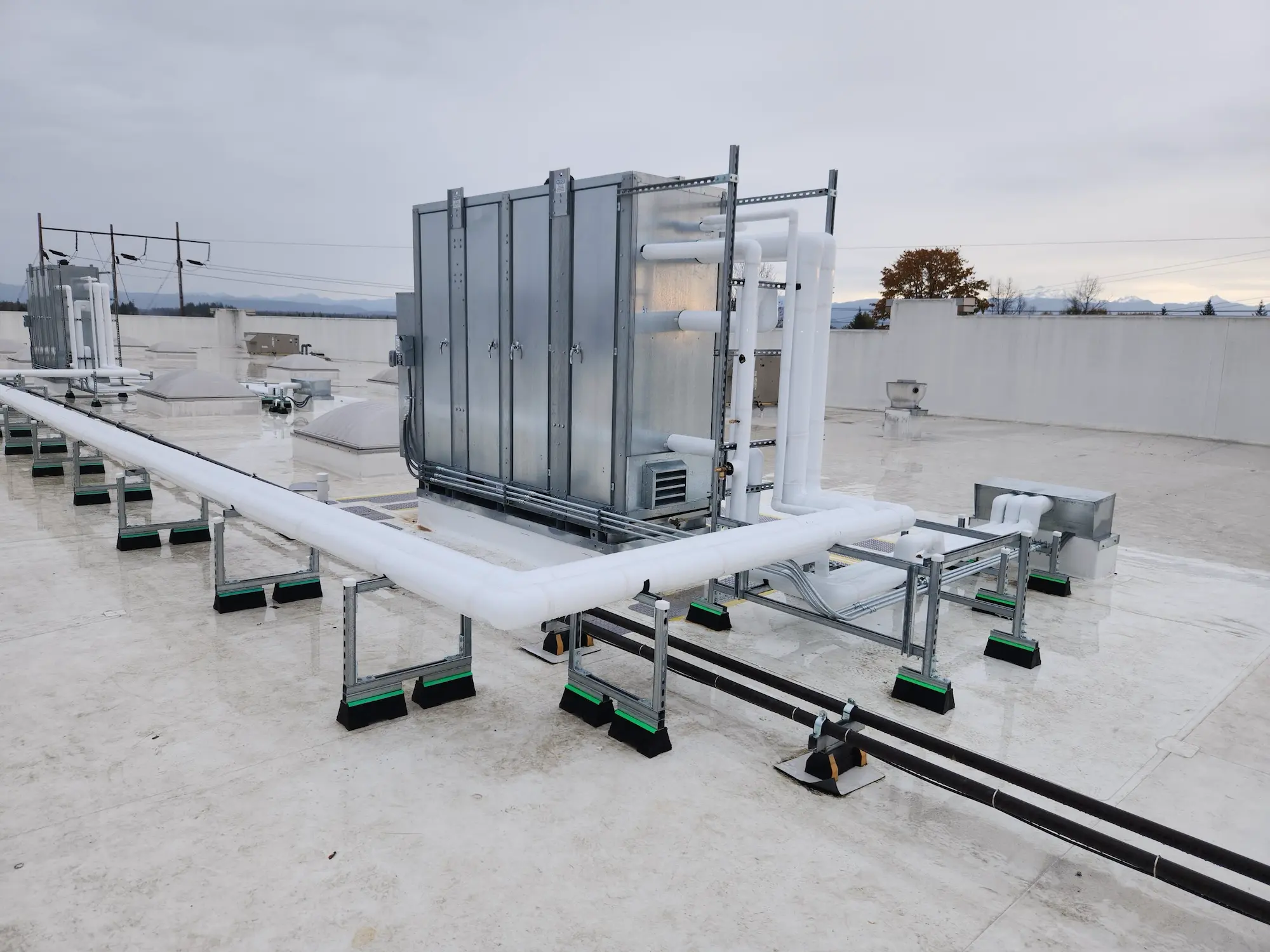
Built for Grocery and Multi-Site Refrigeration
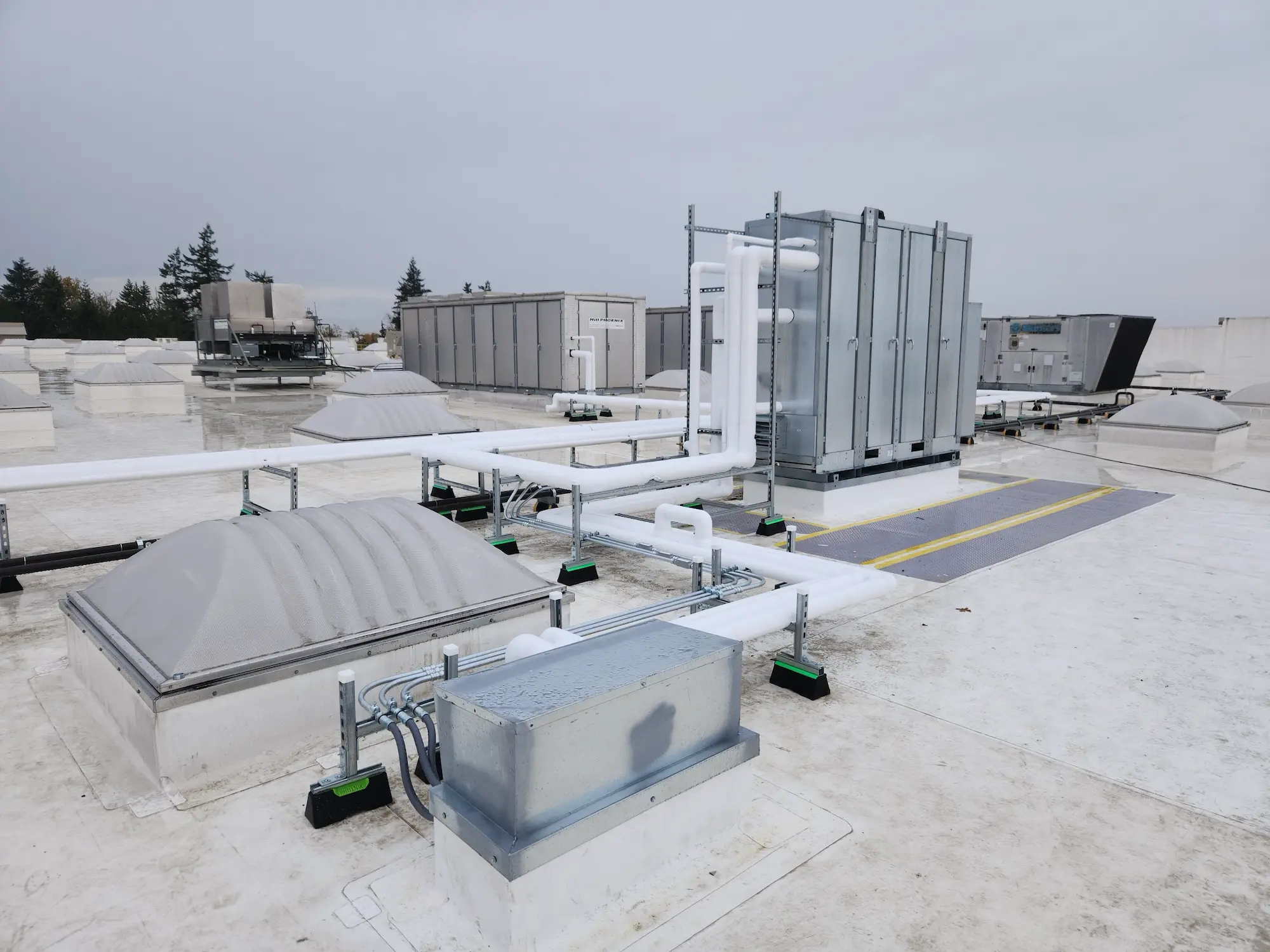
One warm case is a store-level problem. Twenty stores with inconsistent refrigeration service is a regional problem.
At portfolio scale, consistency matters.
- Store managers need a clear path to help.
- Facilities teams need equipment history.
- Regional leaders need usable information.
- Technicians need context when they arrive.
- Everyone needs to know what happens next.
The question eventually becomes bigger than:
Who can fix this freezer?
It becomes:
How do we make refrigeration service easier across our stores?
That is a better conversation.
Managing Refrigeration Across Multiple Locations?
If you're responsible for refrigeration across a grocery, supermarket, retail, healthcare, or institutional portfolio, you probably do not need another vendor name.
You need a relationship your locations can actually use.
We can start by reviewing your locations, equipment mix, recurring problems, maintenance structure, and expectations for service.
You do not have to change everything at once. Start with the operation. Identify where Hoover fits. Build from there.
For grocery, supermarket, retail, healthcare, and institutional refrigeration portfolios.
Why Equipment History Matters During Refrigeration Repair
Every service call creates information. The question is whether anybody can use it later.
- What happened last time?
- What readings were recorded?
- Has this condition appeared before?
- Was another component being watched?
- What work was performed?
- What does the technician think deserves attention next?
That documentation becomes more useful as the relationship grows.
Instead of every repair being an isolated event, your team starts building a history around the equipment.
For a GM, that means fewer mysteries. For facilities, it means better information. For regional leadership, it creates a clearer picture across the operation.
Emergency Repair Solves Today. Preventive Maintenance Helps You See Tomorrow.
Sometimes equipment fails. No maintenance program eliminates every refrigeration problem.
But purely reactive service puts your team in the same position every time:
- Something breaks.
- Someone calls.
- Someone reacts.
- Everyone moves on until something breaks again.
Preventive maintenance creates a different rhythm through ongoing system checks, recorded readings, written service reporting, and attention to abnormal conditions over time.
That changes the question.
Instead of always asking, What broke?
Your team can start asking, What are we seeing before it breaks?
That is where refrigeration service starts becoming refrigeration management.
Your Store Teams Don't Need More Technical Work
They need better support.
A store manager already has enough to manage: customers, employees, inventory, food safety, merchandising, deliveries, and schedules.
When refrigeration goes wrong, their job should not suddenly become finding three contractors and explaining a rack system over the phone.
Your refrigeration partner should make that part easier.
Frequently Asked Questions About Commercial Refrigeration Repair
What commercial refrigeration equipment does Hoover repair?
Hoover services rack systems, walk-in coolers and freezers, reach-ins, refrigerated cases, glycol systems, commercial chillers, condensing units, evaporators, refrigeration controls, defrost systems, ice machines, and refrigerated prep equipment.
Does Hoover provide 24/7 emergency refrigeration service?
Hoover provides an emergency service pathway for active Hoover partners. If your location is already established with Hoover and you have an active refrigeration problem, use the 24/7 dispatch option on this page. If you are not yet a partner, establish the relationship before temperatures start rising.
Does Hoover service grocery stores and supermarkets?
Yes. This page is designed for grocery stores, supermarkets, retail chains, and other commercial facilities where refrigeration uptime matters. Hoover also supports qualifying campus, healthcare, institutional, and refrigerated distribution operations.
Can Hoover support multiple store locations?
Yes. For multi-site operations, the goal is to create a more consistent service relationship across locations instead of forcing each store to solve refrigeration problems independently.
Why does service history matter during a refrigeration repair?
Previous service information gives the refrigeration team context. It helps show whether a condition is new, recurring, or part of a developing equipment trend.
Can preventive maintenance help reduce refrigeration emergencies?
Preventive maintenance cannot eliminate every failure, but recorded readings, documented conditions, and recurring service history can help identify developing problems earlier.
Does Hoover work on ammonia or industrial process refrigeration?
This service offering is focused on commercial refrigeration rather than large ammonia plants, production-critical process refrigeration, or large industrial process-cooling systems.
When should we establish a refrigeration service relationship?
Before you need emergency service. Early onboarding creates time to understand locations, document equipment, discuss service expectations, and confirm whether Hoover is the right fit for your operation.
Meet Hoover Before You Need Hoover.
If refrigeration matters to your operation, do not make the emergency page the first time your team learns our name.
Get the relationship established while the cases are cold.
Let us learn the locations. Let us understand the equipment. Give your store teams a clear path. Give your regional and facilities teams a chance to decide whether Hoover belongs in your service strategy before the decision becomes urgent.